



For starters, a mobile banking app ain’t just about checking balances; it’s dodging fees when 60% of Americans get hit with overdraft charges yearly. Therefore, these tips? They’re born from my sweaty app scrolls, late-night fee rants, and one cringey moment when my app crashed mid-transfer at a bar—in front of a cute bartender, ugh. In fact, my big takeaway from my flops: test app alerts; I skipped ‘em and ate a $30 hit. On the other hand, I curse glitchy apps, yet I’m hooked on their ease—chaos vibes, yo.
Prioritize Real-Time Alerts in Mobile Banking Apps
First off, real-time alerts are the soul of a mobile banking app—catch overspending before it bites. Initially, I ignored Chime’s alerts, got stung with a $50 overdraft; consequently, I turned ‘em on, saved $60 next time[2]. For example, the pros: instant warnings keep you safe. However, the cons: needs a charged phone; mine died once, chaos. Surprisingly, some apps ping for low balances. Check Chime—saved my broke butt from fee traps.
Look for No-Fee Mobile Banking Apps
Next up, no-fee mobile banking apps are clutch—nobody needs $10/month maintenance BS. For instance, I stuck with a big bank app, ate a $40/year fee; switched to Ally, zero fees, kept $50 in my pocket[3]. Moreover, the pros: your cash stays yours. On the flip side, the cons: limited ATM access; I paid a $2.50 out-of-network fee once. Surprisingly, some offer cashback perks. Scope Ally Bank—forgave my dumb dip mid-snowstorm.
- My Rookie Tip for Mobile Banking Apps: Check for fee-free options; even $5/month adds up.
- Why It Worked My Mess: Gave my scatterbrain a quick win.
Check Budgeting Tools in Mobile Banking Apps
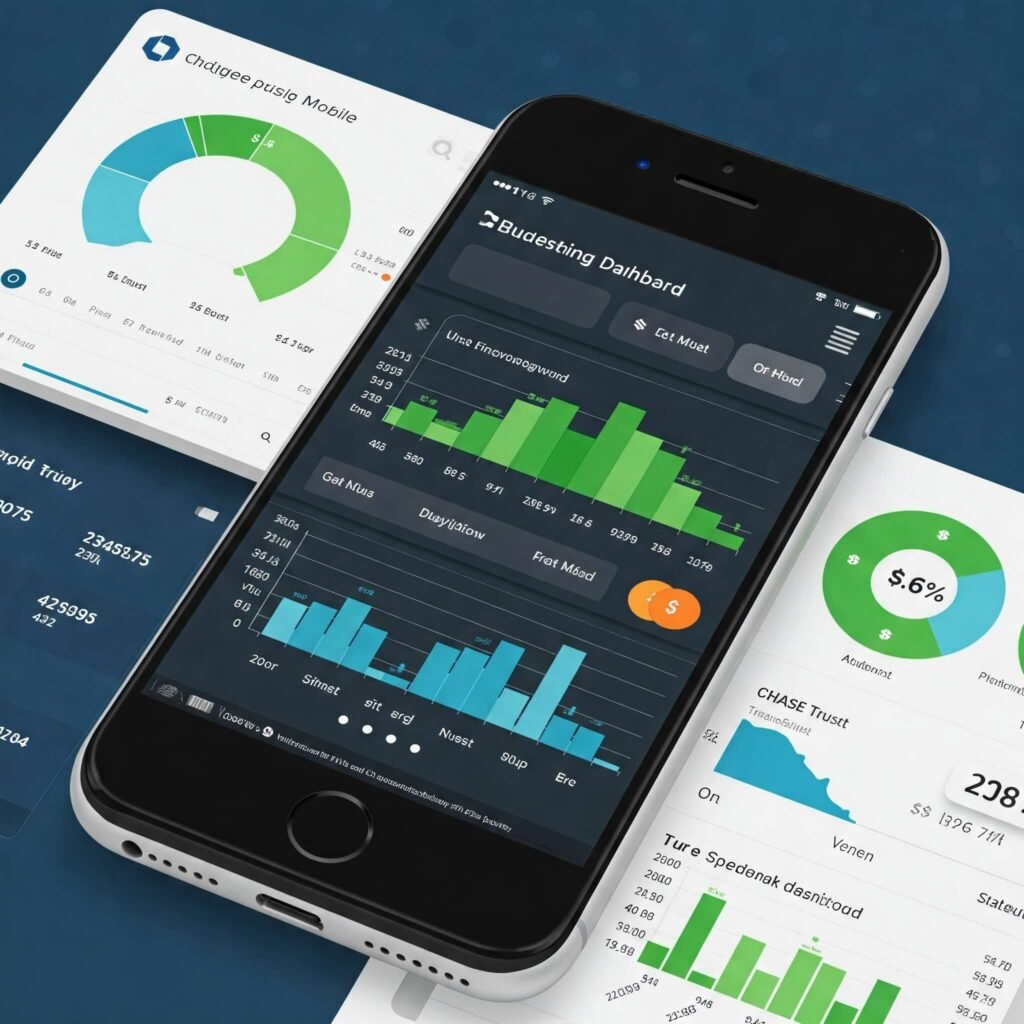
Additionally, budgeting tools make a mobile banking app shine—auto-tracking saves you. To illustrate, Capital One’s app sorted my spending into categories; stopped a $40 bar overspend. In addition, the pros: easy budget visuals. Conversely, the cons: needs manual tweaks; I mislabeled a coffee run once. Surprisingly, some sync with YNAB. Use Bankrate—caught my sloppy math mid-binge.
Ensure Easy Transfers in Mobile Banking Apps
Furthermore, seamless transfers are key for a mobile banking app—moving cash shouldn’t stress you. Initially, I fumbled a SoFi transfer, took an hour; switched to their updated app, sent $100 in seconds. For example, the pros: instant moves, no fees. However, the cons: needs Wi-Fi; I got stuck in a dead zone once. Surprisingly, some apps let you schedule transfers. Check SoFi—fixed my flaky transfer game.
Look for Security Features in Mobile Banking Apps
Lastly, strong security makes a mobile banking app legit—biometrics and alerts are non-negotiable. To clarify, Discover’s app used face ID and pinged me for a $200 login attempt; blocked a hack. Moreover, the pros: keeps your cash safe. On the other hand, the cons: setup’s a pain; I forgot my PIN once, locked out. Surprisingly, some offer fraud refunds. Scope Discover—forgave my Wi-Fi crash fumble.

Wrapping My Rant on Mobile Banking Apps: From Fee Hell to Kinda Winning
Whew, spilling this while Denver’s wind howls outside—feels like shaking off a bad bank alert. In conclusion, these mobile banking app hacks didn’t erase my screw-ups (that vinyl splurge? Still haunts my closet), but they cut $80 in fees and stopped a $40 overspend, and I ain’t sweating every swipe anymore. On one hand, I curse glitchy apps; on the other, I’m hyped for their ease—peak Mile High hustler, right? Therefore, if you’re in the US grind—fees piling, balances mocking—snag these mobile banking app tips, shop like I forgot too, and dodge my dumb fees. Got a banking horror? Drop it below, let’s vent over virtual craft brews.
Outbound Link: 6 Trends in Mobile Banking You Need to Know in 2025